209-577-1479
How often should a septic tank be pumped
Reading time 5 min
Proper maintenance of a wastewater system means keeping it on a regular schedule to maintain its function. In understanding how often a septic system needs to be emptied, a starter point for a regular maintenance routine is important to keep a system running well. Typically, homeowners within the Central Valley are left with a starting recommendation to "empty every 3-5 years," but this is only a starting point for septic tank cleaning and septic tank emptying.
The critical elements in shaping your schedule
Selecting the most appropriate time to pump requires considering a number of related factors rather than following one strict rule. These variables interact to affect the rate of formation of solid and scum accumulation as well as the time for service. Here are the major factors that contribute to the time for septic system pumping.
The number of people in a house directly influences the volume of wastewater because more people will generate more wastewater, both in terms of solid and liquid matter. For example, one person will not fill the tank to capacity in the same time a family of four would, given similar behavior and habits. Many such differences will influence the frequency at which the levels of solid matter in the wastewater are sufficient for septic tank clean-up.
Another consideration is that daily water usage will impact the tank’s internal environment, particularly with laundry, frequent showering, and/or continuous dishwasher usage common in the home. Large water volume discharges will agitate the tank contents and reduce the natural settling of the solids, scum, and water interfaces, causing the solids to stay suspended for a longer interval of time and ultimately result in the tank’s effective capacity being reduced, necessitating the need for earlier septic tank pumping. Basic changes in behavior will help increase the interval periods between the last pumping of the tank.
The tank volume and system configuration establish baseline storage and treatment capacity, and both influence planning. A 1500-gallon tank will certainly accommodate more solids volume before reaching critical compared with a 1000-gallon tank. The material used, either concrete or plastic, is important primarily for durability, while system type, be it traditional or aerobic, influences the solid handling process. In aerobic systems, oxygen is required for bacteria or septic tank enzymes that can efficiently decompose waste, an aspect that might affect the need for emptying.
The disposal of food waste by using a disposer would increase the organic material that goes into the tank. Typically, it would reduce the pumping interval as it would increase the sludge accumulation rate by a large margin. Household habits with grease & oil forms of disposal also affect the accumulation. When one uses a disposer in their daily life, they can anticipate more frequent pumping to prevent overloading. Reconsidering the disposal process or adjusting inspection periods would help in dealing with the increased load.
The age and existing conditions of the system can also influence its performance and maintenance requirements. Older systems or those that receive irregular maintenance may involve components that are obsolete or damaged and therefore less efficient in their use in the sewage treatment processes. Supporting equipment like effluent pumps and aerators can also influence processes and, when malfunctioning, may demand higher supervision.
How can you apply these variables in the home?
- Keep a simple record system with the bills or the usage in the form of laundry done and the dishwasher.
- Also, maintain a record of the tank installation documents detailing the type of tank.
- Periodically check the tank and the drain field. Signs of soggy ground or irregular plant life indicate leaks.
- If you are left in doubt, a professional inspection will give you all the information you need to estimate a reasonable usage cycle.
How often should a septic tank be pumped?
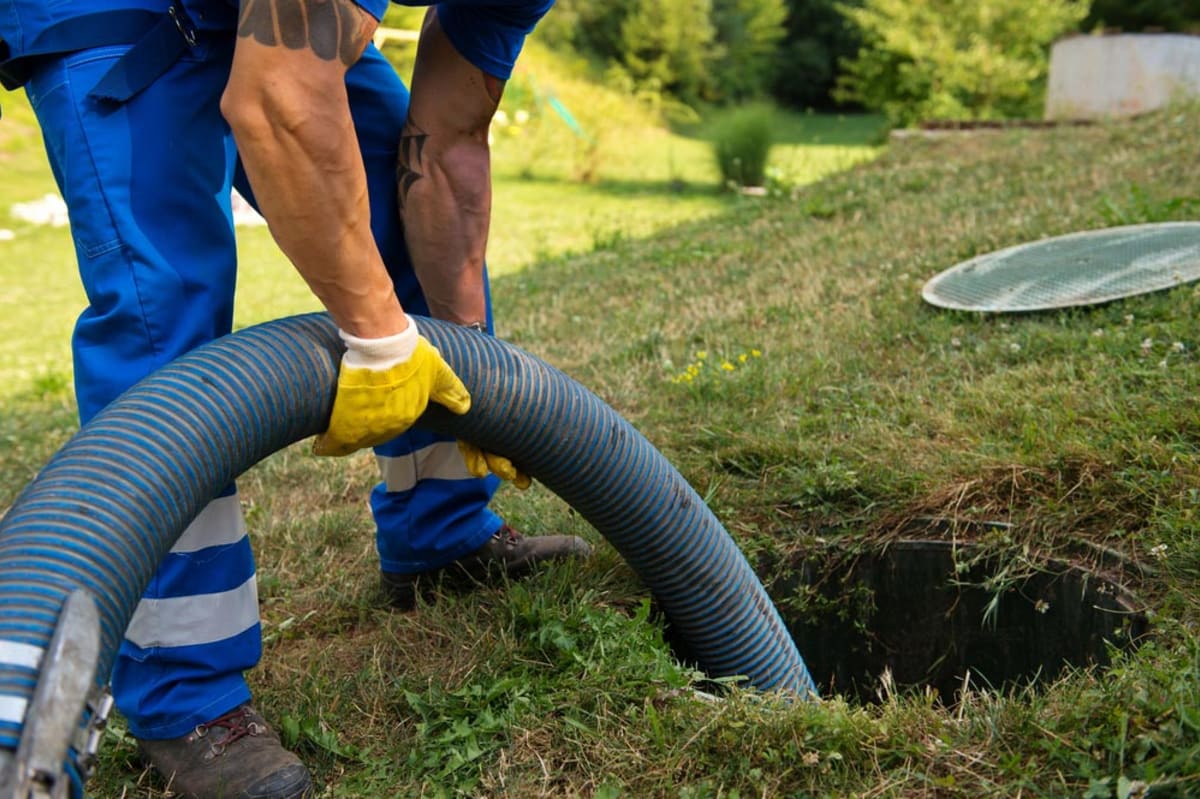
The generally recommended cycle for pumping is every 3 to 5 years, which is merely a general recommendation for most households. However, this is merely a baseline requirement, because actual needs could be anywhere between 1 year and 5 years based on usage. The actual requirements for pumping are when solids and scum fill up more of the tank volume. This also serves as an indicator of when solids could flow into the drain field in case it is not monitored.
Technically, septic tank emptying of the sewage sludge and scum is advised when the layers have accumulated to comprise approximately 30% of the tank's liquid contents. More specifically, many industry observers recommend service when the sludge layer reaches approximately 1 foot or 12 inches or when the scum accumulation reaches approximately 6 inches in thickness. Otherwise, it will result in a reduction of the tank's working capacity and may result in effluent solids entering the soil treatment area.
Households that have garbage disposals will need a more frequent pumping schedule since these units will introduce a large quantity of organic material into the tank. In this case, the schedule can be as short as once every 1-3 years. By following this schedule, wear and tear can be reduced. Furthermore, the lifespan of the drain lines as well as the drain field can be maintained.
How often to pump a septic tank for a family of 2?
A one to two-family dwelling typically needs pumping every 3-5 years in a normal water usage environment. If conservative water habits are practiced, and no garbage disposal is present, some systems can be allowed to approach the longer part of this range. However, if the disposer is used extensively, and/or the water use increases as a result of hot tubs, extensive laundry, and/or other high-use activities, the range needs to be shortened.
How often should a septic tank be pumped for a family of 3?
How often a family of three changes the cycling rate could be between 2-4 years, depending mainly upon the size of the tanks. In other words, a 1000-gallon tank could possibly require septic tank cleaning in about 2-year intervals, or if it is a 2500-gallon tank, it might require cleaning in 3-4 year intervals, depending mostly upon the degree of sludge build-ups. The use of food disposers or excessive water use will require septic tank clean up in shorter intervals.
How often to pump septic tank family of 4?
With the family consisting of four members, it will be necessary to pump every 2 to 3 years. With families of this size and a 1000-gallon tank, it will be necessary to pump, on average, every three years in order to maintain the proper parameters of operation. Higher water usage, such as when doing laundry continuously or with the usage of a garbage disposal, will, of course, reduce this time span and necessitate earlier septic system pumping.
How can you determine if your septic tank is full?
Noticing signs when a tank is full or when a tank is overloaded will allow you to fix it before more significant repairs are necessary. Some signs indicate that a tank needs to be fixed. Noticing a problem with a tank before a significant issue needs to be repaired is both safe and more economical. Some signs to check around the household or yard are listed below.
Slow-draining sinks are among the first pieces of evidence that the system is having trouble. If the sinks, bathtubs, or toilets are draining slowly compared to previous times or to normal rates, this can be an indication that the system is being slowed down by solids or saturated pipes. This symptom can be observed even before odors or water buildup occur.
A positive sign that something is amiss in an effluent system can be detected through odors that are present within homes or in the area around the drain field. Those smells that are emitted from drains or in locations around the leach fields generally indicate that gas or untreated wastewater is escaping from an effluent system.
Incomplete and/or very dense grass growth in the drain field may indicate that the area of the soil being treated with soil constituents has become saturated with effluent material. If the drain field becomes too full of effluent material, the material will begin to work its way up to the top and grow grass more lushly than the rest of the environment due to the increased levels of nutrients present. Puddles of water in the drain field indicate that the pipes and soil are not accepting the effluent material properly and that environmental contamination may become an issue
Bubbling noises coming from plumbing fixtures tend to be a sign of gas bubbles and constricted passages. When toilets and sink drains are accompanied by a gurgling noise, it is likely that gas is bypassing a constricted pipe or gas is backing up into the pipe. This is a common symptom that is often accompanied by a slower drain and should not be delayed. On the other hand, the backup of sewage or wastewater in toilets, sinks, or showers is the worst and most obvious sign of a full or failing system. Any backup of wastewater is a warning with health and property implications that requires an emergency response. Such an event means that the system might be full, or the drainage component is not working. One way to determine if it is time to pump the septic tank is to make a direct visual observation, but this has to be undertaken carefully. Raising the lid of the tank and examining the sludge and scum levels is always the best way to gauge what needs to be done, but safety issues make it preferable to engage professionals in this process. When measurements are taken, and it appears that the sludge is 12 inches thick or there is scum at 6 inches thick, it is time for septic tank emptying.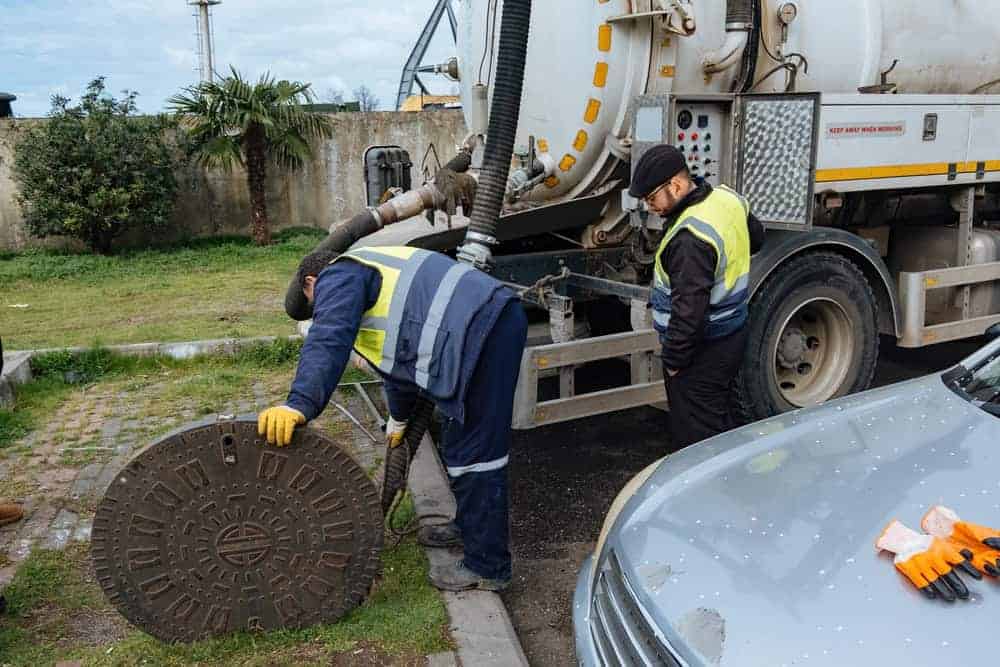
Professional Inspection and Pumping by A1 Septic
When professionals are tasked with the inspection and pumping, there are no risks involved, and all activities are carried out according to safety and regulation standards. The operation starts with the identification of the tank and access points carried out by detection equipment that fits the environment. The technicians will conduct an initial inspection for visible signs of deterioration, defects, or obstructions within the baffle, as well as the distribution box. While opening the access lid, technicians strictly follow safety measures for protection and the preservation of property. Measuring the amount of sludge and floating scum accurately is necessary to determine the necessity for septic tank cleaning and the quantity of waste to be pumped out. The measurements can be a basis for advising on the future how often to pump septic schedule according to home conditions. Pumping involves the use of vacuum trucks and hoses that can efficiently remove both liquid wastes and solid deposits. For a typical 1000-gallon tank, this process will take typically between 30 and 60 minutes, depending on the type of waste and the availability of site access. After completing the bulk removal process, specialized technicians will then remove the sludge and debris in a manner that doesn’t harm the beneficial bacteria. The final inspection within the household checks the walls of the system, the baffle inlets and outlets, and the condition of the tank. Inspectors will look for indications of saturation or damage to the observable parts of the drain field. Findings that indicate a repair or potential failure are documented and explained in a report. Homeowners are advised on future maintenance and repairs to extend the lifespan. All removed wastes are transported and disposed of through licensed treatment centers in compliance with environment regulations and laws. This ensures the conservation of groundwater and compliance with sanitary regulations regarding the disposal of wastes. Customers are provided with a report detailing the work carried out, measurements taken, and recommendations made following the servicing process. Schedule a service today to prevent costly repairs and ensure licensed, approved septic tank clean up.