209-577-1479

Septic Services
Lift pump station maintenance installation
Learn more about this service and request a quote.
explore service
Excavating Services

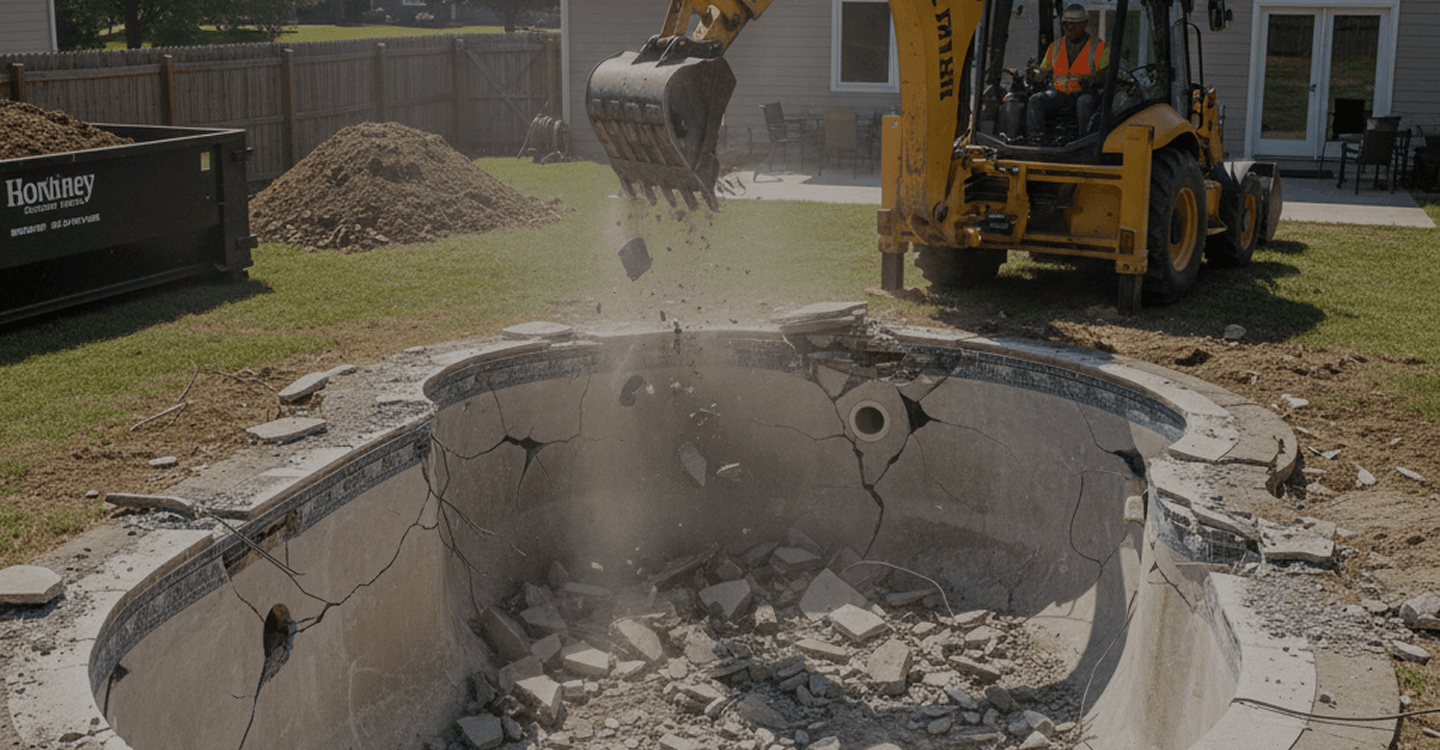
Waste system services
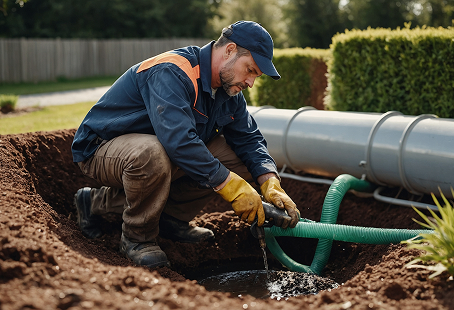
Grease waste extraction and pumping specialists
Learn more about this service and request a quote.
explore service
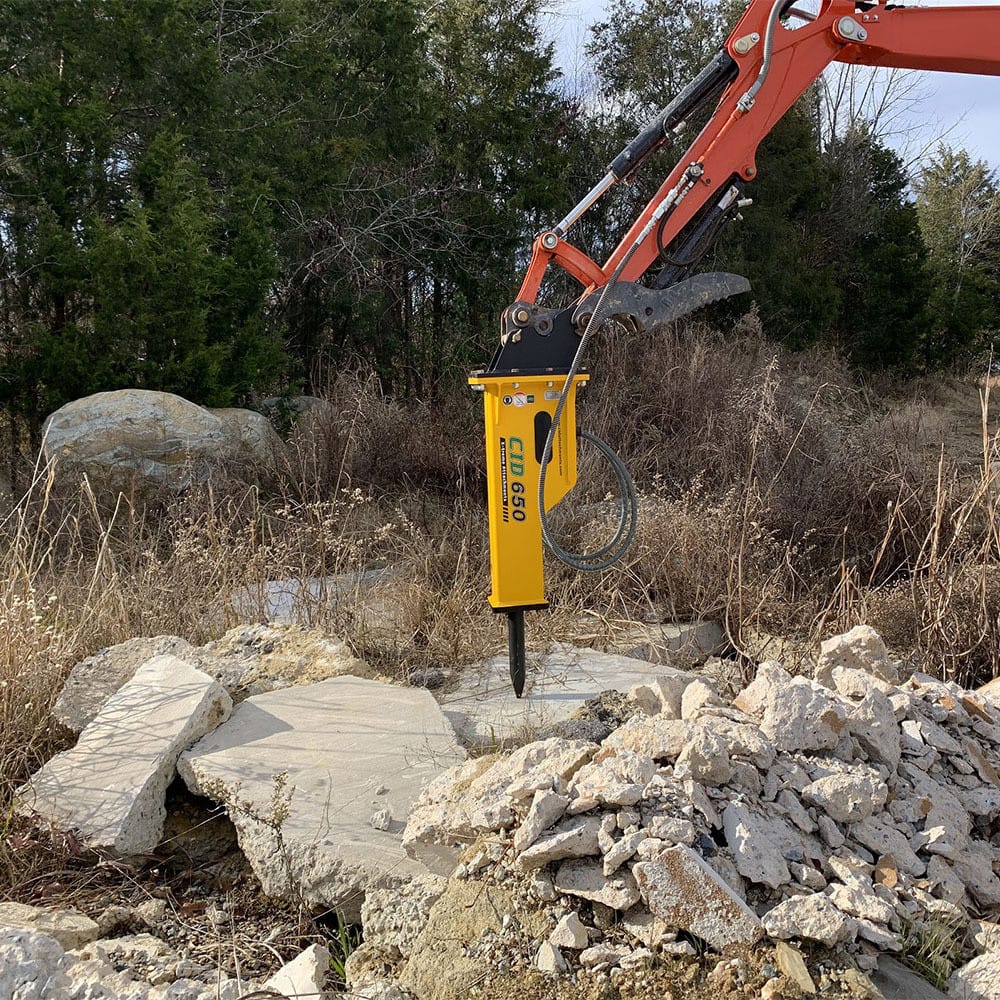
Demolition & concrete removal services
Maintaining proper care of existing wastewater systems and facilities through consistent septic system maintenance and septic tank maintenance ensures against any back-ups or unpleasant odors and costlier repairs. Proper septic tank care, timely septic tank service, and professional septic services help prevent system failure. If neglected, they could potentially cause any number of problems that could be adverse to health and environmental factors that are usually evidenced in property damage to soils and watercourses. A well-operating septic system maintains property comforts or value and supports overall septic tank health.
What does septic system maintenance include?
Maintenance involves a number of operational steps that help keep the system running. Following these steps regularly minimizes repair costs and extends system life. Basic inspections, scheduled pumping, and proper drainage of the land form the foundation. Even your water use behavior and the materials you choose to dispose of via the drains will actually play an important part in long-term septic system services and effective septic treatment.
Regulated inspections
These inspections allow small issues to be caught prior to growing out of proportion and becoming a failure, which can be expensive to fix and often leads to septic tank repair. Typically, traditional systems require inspection every one to three years, while systems with many mechanical parts require annual inspections In an inspection, a tech with professional experience would check the levels of sludge and scum, inspect the inlet and outlet baffles, and look for leaks and damage to the system's structure.
The advanced equipment is utilized if and when needed, in order to evaluate pipes and other internal parts without any excavation work. Camera diagnostics help in ascertaining the clarity of any cracks, tree root intrusion, and obstructions, supporting early fixing of problems within wastewater systems. Pointing out these problems early ensures that the work of repair takes less time and effort.
Planned pumping
Pumping eliminates accumulated material and scum that would otherwise flow out due to overflow or clog the pipes. When it comes to an average residential tank, it would be best to have it pumped every three to five years through residential septic tank pumping. The following would affect how frequently it should actually occur: size of the tank, number of people within the residential area, and even garbage disposal units.
Pumping function
This function enhances normal tank capacity and prevents the possibility of solids entering the distribution system. Evaluations are carried out to ensure the set periods for the next visit, depending on the levels of the sludge and scum present in the tank. Even pumping regularizes and prevents the need for expensive repairs such as drain fields replacements. Many pumping operations include simple tank cover and access point evaluations and may also include grease trap pumping when applicable.
Drain Field Care
The drain field transports the effluent into the soil, and its status affects the overall efficiency of the system in dealing with the wastewater. Parking and vehicle traffic should never be done on the drain field in order to avoid compacting the soil and damaging the pipes. Only shallow-rooting plants should be grown on the drain field to avoid root invasion and protect wastewater systems.
Direct the surface and roof runoff away from the absorption area in order not to cause saturation. Indications of a compromised drain field include standing water, excessively lush grass, and foul smells above the field. Addressing these early helps in preserving absorbency and preventing costly restoration and septic tank repair.
Conservation of Water
Peak flow reduction alleviates the load on the tank and the drainage field. Water-saving fixtures and staggered laundry and dishwashing cycles will help reduce the peak wastewater flow rate. Leaks should be fixed immediately in order to prevent the wastewater from running continually and overloading wastewater systems.
Behavioral changes are effective when it comes to water conservation. Taking shorter showers and running full but not packed dishwashers will help reduce average individual water consumption. This will help components stay within their target operating ranges and maintain septic tank health.
Proper waste disposal
What goes into a system impacts bacterial digestion and function. Do not flush non-biodegradable materials like wet wipes, sanitary products, dental floss, diapers, coffee grounds, cat litter, or paper towel products. Do not pour grease, paint, motor oil, pesticides, or harsh chemicals into a sewer system, as this disrupts septic treatment.
Household chemicals and too many solids can throw the biological processes in the tank out of balance and clog distribution lines. Garbage disposal limitations can cut solid inputs and increase the interval between pumpouts. Protecting equipment and soil capacity involves taking simple steps and consistent septic tank maintenance service.
Component Maintenance - The Outlet Filter
Outlet filters help ensure that solids are not discharged from the tank and into the drain field. Accordingly, the functionality of these filters is an issue of concern within septic system maintenance. These filters are typically cleaned every three to five years when the tank is pumped, assuming that their installation exists.
During routine servicing, the filter is inspected and cleaned. This helps in the avoidance of any solids migration as well as ensuring an even distribution of effluents into the absorption area. Replacing the filters as needed helps in avoiding any frequent malfunctions.
What are the differences in maintaining concrete and plastic septic tanks?
Materials used will impact installation, life, and particular maintenance. Even concrete or high-density polyethylene (HDPE) tanks have inspection priority levels. There are differences in handling, inspection priorities, or both between concrete and high-density polyethylene (HDPE) tanks.
Durability and lifespan
Concrete tanks are very heavy and can be used for several decades if taken care of. They can even last for 40 to 50 years. Since they are very heavy, they are stable on the earth. The plastic tanks have a short life of 15 to 30 years.
The properties of the material affect failure modes. Concrete may have fissures because of the settlement of soils or the movement of soils. Concrete might also experience slight leakage if it is not sealed properly. Plastic materials are less likely to experience fissures in them, but may float or shift if there is high groundwater without proper anchorage to prevent such failure modes.
Installation details
Concrete units are more difficult to install, having to be placed using heavy machinery. In contrast, plastic tanks are relatively light and portable, making them more installation-friendly because they are quicker to install, although they must be installed properly to avoid being swept away. Other factors that are significant in selecting and installing tanks include the location and water levels.
Contractors analyze the stability of the soil and the level of the water table to see how much excavation and anchoring are required. All these greatly affect both the initial and future costs of maintaining the structure.
Structural Vulnerabilities
Concrete can also develop flaws through earthquakes, settlement, or freeze/thaw action, and these flaws must be repaired through sealing or reconstruction. Plastic storage tanks may be damaged through intense loading on the surface and can also experience buoyancy in saturated soil conditions. In these ways, they also demand inspection based on their failure modes.
Maintenance implications
It can also require occasional seal work or crack repair. Plastic tanks can also require attention in terms of anchoring, as well as being careful about excessive loads. The intensity of inspections depends on environmental conditions and the material’s vulnerability to its modes of failure. Both types require regular pumping, filter cleaning, and inspection of access covers and baffles. Tank selection, considering regional groundwater, soil, and maintenance skills, helps support the intended activities. Proper materials used together result in cost-effective maintenance.
Choosing the Right Septic Service Company
The selection of the professional service provider can directly influence the life of the system and the level of risk that the homeowner can undertake. Licensing, experience, and comprehensive coverage are some of the key areas to check for in a service provider.
Licensing and insurance
It shows that the contractor is in compliance with local regulations and has met basic qualifications. It is important that a homeowner seek this documentation prior to commencing work. A comprehensive insurance plan, which includes coverage for workers' compensation and general liability, shields a homeowner from personal financial risk that may be incurred in case of an accident or damage to property.
Experience and expertise
Experienced companies for the installation, maintenance, and repairs of septic systems are better equipped to handle complex or non-standard issues. Understandable skills or requirements include familiarity with conventional, aerobic mound, low-pressure dosing, and conventional aerobic treatment systems. Local contractors are better positioned to identify site-specific conditions and regulatory requirements.
Range of services
With a full-service company, you can expect them to have capabilities in inspection, pumping, diagnostic and repair work, as well as emergency response. The company might just provide you with services in drainage or inspection. Knowing what the company does is always a good way to prepare for the work that is going to be done. Price transparency and estimates get a written estimate that breaks down costs into materials, labor costs, and potential additional charges. Evaluate quotes from multiple contractors to assess what constitutes a realistic market price. Settlement terms and unforeseen circumstances policies mitigate potential future conflicts.
Client Reviews and Reputation
Through the analysis of web reviews and testimonials, one will be able to discern a reliability and workmanship pattern. Overall commendation for punctuality and good communication is the aim, but patterns of delays and hidden charges are warning signs. Good reputation denotes good service.
Availability of emergency services may be affected by errors at any given time; therefore, you need to verify the availability of emergency help and the expected response time. Contractors with extended working hours will limit the possible damage that may result from an emergency breakdown. Be cautious of any overtime costs that may be incurred before hiring a contractor.
Proper disposal of refuse
Make sure that the company follows legal and environmental procedures in the disposal of its septage. This is in terms of maintaining healthy standards by adhering to professional procedures. You can inquire about the processing of removed waste and whether permits are used when required.
Full Septic Services offered by A1Septic
We also offer specific solutions in terms of maintenance, repair, and installation in line with homes as well as business environments. This is performed through a comprehensive means that merges routine maintenance, analysis capabilities, as well as repair methods. It is performed for both traditional as well as alternative systems. Emergency services are also included.
Planned Maintenance Solutions
Following is a shortlist of maintenance services that are part of a regular care regimen:
-
septic tank pumping;
-
system inspections;
-
outlet filter cleaning;
-
video camera diagnostics;
-
septic system location and mapping.
Periodic operation and routine checks remove solids from systems and allow potential problems to be identified before they become serious. Outlet filter maintenance is often done in conjunction with tank service to reduce lost production time. Video diagnostics enable experts to examine pipes and storage tanks using remote cameras to inspect systems without resorting to excavation on a large scale.
Repairing and Restoration Experts
Routine repairs include restoring proper flow and proper structural function. We treat field-level issues and tank-level issues with a focused approach to extend their life. Baffle repairs to more complex services in the pump system, including the replacement of the pipe if needed, are done. Leaks and access cover repairs help lower the risk of potential hazards.
Here is a brief list of common repair skills:
-
drain field restoration;
-
baffle repair and replacement;
-
pipe repair and replacement, pump and float switch repair;
-
leak repair and modernization.
New system installations
We install different systems depending on site needs and regulatory demands. Soil analysis and assessment help in identifying the systems for installation in order to perform the desired functions. Installation is done considering the usability of the systems for future functionality and maintenance. Below is a list that outlines the installation options that are available:
-
traditional systems;
-
advanced and aerobic systems;
-
alternative systems.
Emergency and special services
For pressing issues, quick and decisive action is necessary. Our emergency response includes blockages, overflow scenarios, or failures in critical system parts. Our specialized services are offered in real estate transactions and in commercial business maintenance. These special services are required as needed:
-
24/7 Emergency response;
-
official inspections related to real estate;
-
business services;
-
Hydrodynamic flushing.
How much would septic system maintenance cost me?
The price for each service, the complexity of the systems, and the geographic area create differences in the overall cost. Typically, the preventive maintenance approach will invariably cost much less compared to the repair approach.
Routine Maintenance Expenses
Below are typical service cost levels based on the average residential systems:
-
septic tank emptying/ septic tank check;
-
effluent filter cleaning;
-
professional bacterial additives.
Typical costs for such services are the following: pumping ranges from 300 to 700 dollars, inspection from 150 to 450 dollars, filter cleaning from 50 to 100 dollars if a separate charge is applied, and bacterial treatment from 400 to 600 dollars, depending on the usage. Labor costs and terms of access will influence the final price. Scheduled maintenance will help minimize overall life cycle costs in comparison with emergency repair charges. This includes minor repair jobs that can be attended to for as little as a few hundred dollars. Then there are major repairs in the thousands of dollars range. Here's a structured format of some common repair jobs and their respective price ranges: minor repairs, septic pump repair, and septic pump replacement. distribution box replacement; filter replacement; small tank crack repair; outlet baffle repair; repair or replacement of septic lines; drain field restoration; drain field replacement; septic tank replacement. Price ranges for repair or replacement of various components could be as follows:
-
minor repair $200 to $1,000;
-
pump repair $250 to $400;
-
pump replacement $500 to $1,300;
-
distribution box replacement $500 to $1,500;
-
filter replacement $200 to $300;
-
small crack repair $500 to $850;
-
baffle repair $250 to $900;
-
line repair $150 to $3,800;
-
complete replacement of line $1,000 to $5,000;
-
restoration of drain field $1,000 to $5.000
Cost Determinants
There are a number of definite variables that influence total cost, including the size and type of tank, complexity, accessibility, and level of damage. It is important that repairs be made quickly in order to save money through preventive measures. Emergency calls, permits, and the like add to this cost. This list includes some of the typical cost drivers:
-
size and type of tank;
-
location and accessibility;
-
severity of damage;
-
timeliness of repairs;
-
emergency services;
-
permits.
Small problems, noticed during regular checks, prevent expenses down the line. Explanations about estimates and projected performance can let you know what services are included and what services may necessitate added costs with a professional dentist. Several estimates can be compared to help with a choice. If you like to have more predictable costs and fewer "bombshell" repairs, you can schedule the mandatory periodic pumping and inspections at a reasonable interval for you and your family. Note that repairing a system ahead of time costs less and keeps the system (and the water) in better condition. Give us a call in order to schedule a service visit based on the size of your tank and your home requirements in a bid to avoid costly repairs and ensure your system functions effectively.
We Serve All of Stanislaus, San Joaquin & Merced County Including But Not Limited To: