209-577-1479
 Our subsidiary company
35 years strong of leadership in Stanislaus & San Joaquin Counties
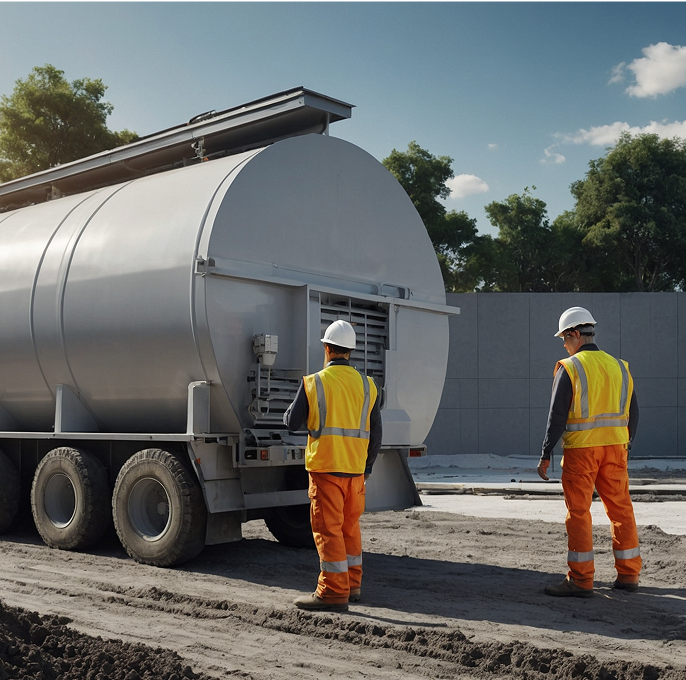
Grease Trap Extraction & Pumping Specialists


Our services
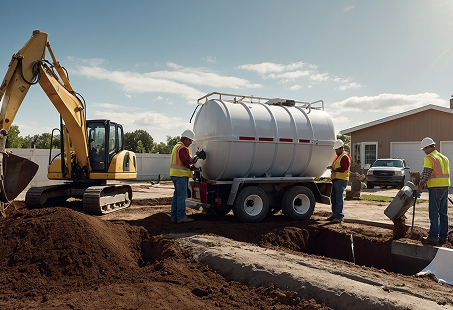
Septic Tank Installation
Guaranteed Code Compliance. We handle all design, installation, and permitting from start to finish. Your new system is fully warranted and built to last.
explore service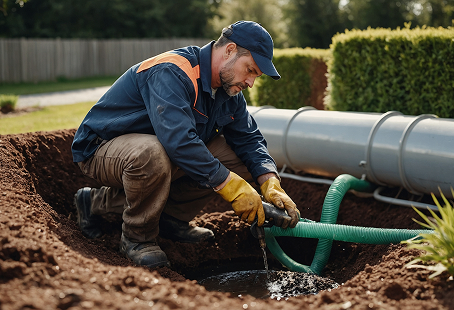
Septic Tank Repair
Fast Fix, Lasting Results. Quick diagnosis and expert repair of your drain fields and components. We restore your system's function to prevent expensive failures.
explore service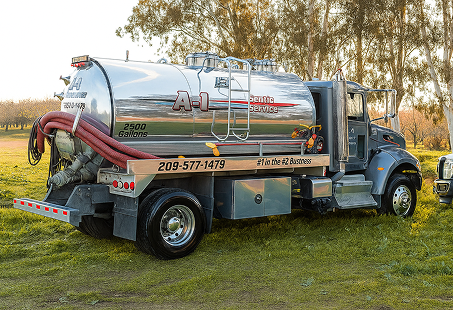
Septic Tank Pumping
Protect Your System & Property. Essential routine and emergency pumping to prevent backups and odors. Extend the life of your septic tank effortlessly.
explore service
Grading & Excavating
Flawless Site Foundation. Professional clearing and leveling for construction. We ensure stability and perfect drainage before your build begins.
explore service
Underground Utility Trenching
Safe, Precise Utility Hookup. Accurate trenching for all lines (sewer, water, gas, electric). Reliable, code-compliant connection
explore serviceGrease Waste Extraction & Pumping Specialists
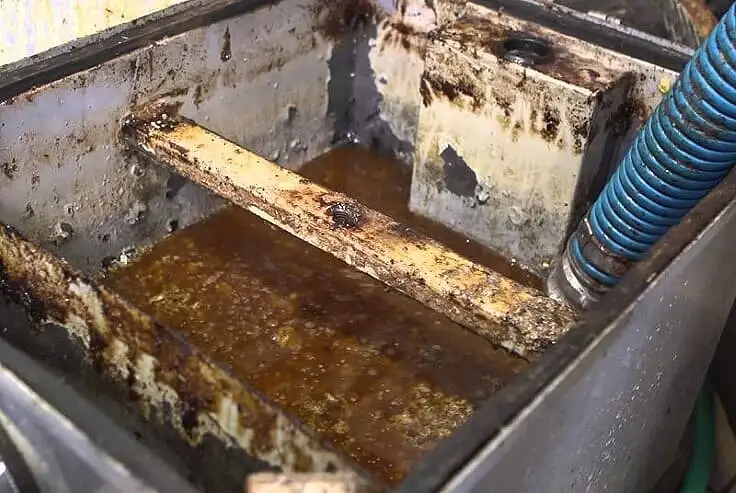
Commercial kitchens generate wastewater that requires proper treatment. Grease interceptors or grease traps are incorporated in commercial plumbing systems to trap fats, oils, and greases (FOG) prior to disposal through the city sewers or in septic systems. FOG hardens when it cools and generates serious obstructions in addition to environmental pollution. Thus, maintaining these units in restaurants, hotels, hospitals, and other food service outlets requires professional attention. We have the equipment and expertise to maintain these units.
Professional Servicing
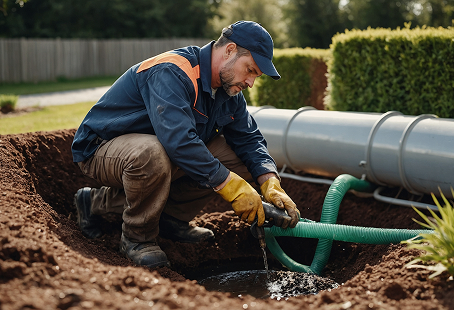
Professional servicing is a process that is well beyond just draining fluids from a water heater. The professional performs a full clean inside the tank and checks for any damage to components, and maintenance schedules are established to help avoid problems in the future. It is a part of their job to dispose of fluids responsibly and within guidelines set forth for environmental protection. Departments and ordinances have specific guidelines for such services to maintain public health. Neglecting maintenance for interceptors could lead to plumbing emergencies and water waste. Lack of compliance can lead to fines, restrictions, and closure for health code reasons. If neglected, FOG can compromise septic and sewer lines, including the need for major repairs. Proper equipment and skilled personnel are needed for removing hardened deposits. Poor maintenance for kitchen plumbing can quickly lead to unexpected plumbing emergencies and water waste.
The Advantages of Cleaning Grease Traps
First and foremost, The routine cleaning process in a commercial grease trap offers immediate advantages in addition to various long-term benefits. The maintenance minimizes the risk associated with clogged pipes, backups in the sewage systems, and overflow events. The interceptor is guaranteed to be odorless due to the removal of decomposing FOGs and decayed trash associated with decomposing foods. This directly benefits the kitchen by ensuring it is clean for the staff and visitors alike. Maintaining regular levels of cleaning ensures that businesses remain in compliance with health department regulations. Non-compliancy in these matters may incur costly penalties. Effective management of FOG ensures it is not flushed into sewers or bodies of water. This is important because it may cause obstructions in these sewers and bodies of water. From an operation perspective, planned maintenance extends the life of plumbing and interceptor equipment. Planned maintenance also helps reduce corrosive materials in drains. This assists in ensuring that drains are always free and that any interruptions to operations in kitchens are predictable. Investing in maintenance is an investment in ensuring predictability in a food service establishment.
Reviews
 5/5
based on 106 reviews
5/5
based on 106 reviews





I am very satisfied with their work and would gladly use them again.


Grease Trap Pumping Methods
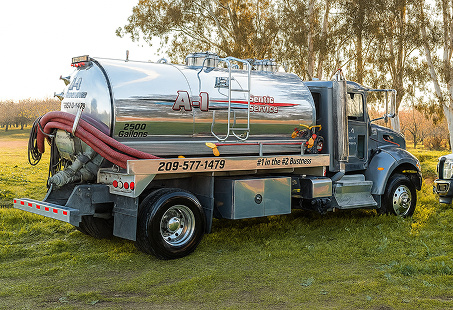
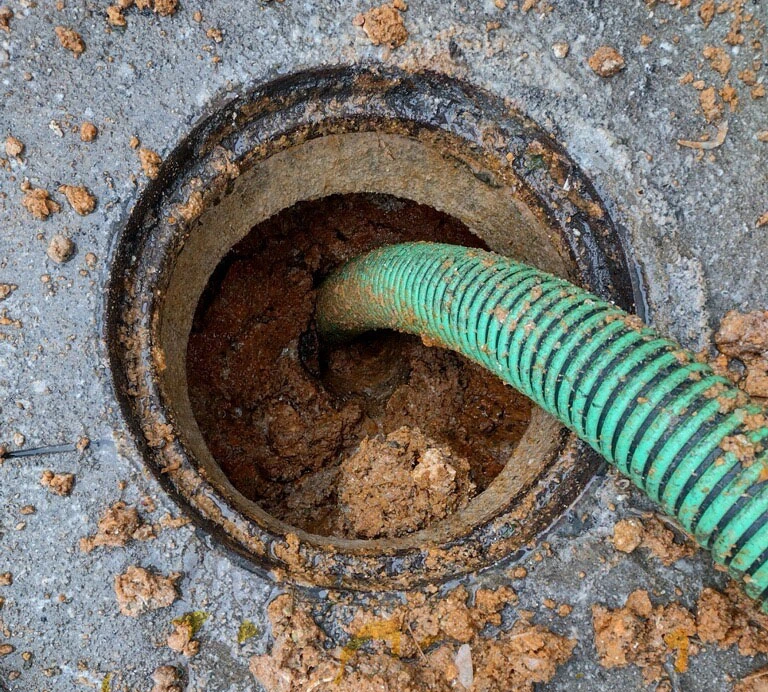
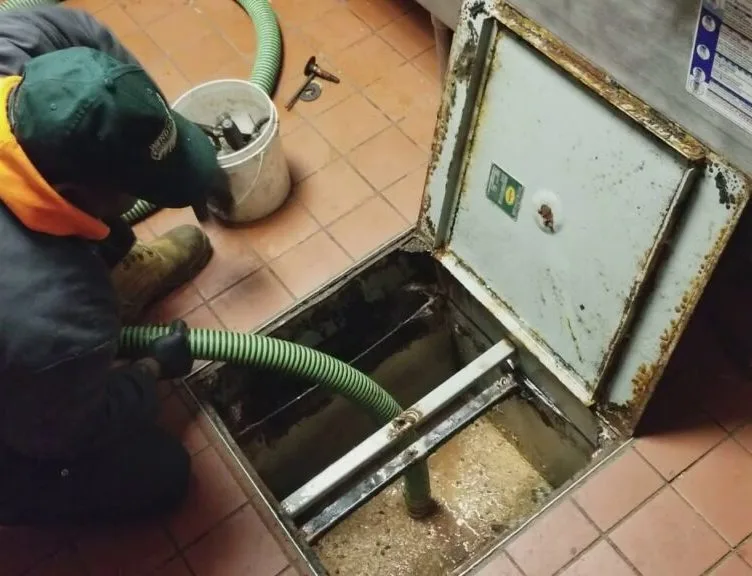
Grease removal services are a systematic process that ensures extraction of FOG and solid residues. This process involves inspection to measure levels of grease and solid accumulation for planning. Then, vacuum trucks with powerful pumps and heavy hoses are used to suck grease that is floating and solid matter that has settled at the bottom of the interceptor. This is done by removing top strata of solids and pulling out solid matter that sank to the bottom. The inner levels with baffles and sides are then scrubbed to remove hardened material. High-pressure water blasting may then follow to remove hardened material when need arises. The wastewater is then removed to leave the interceptor as clean as possible. Methods employed will depend on the condition of the trap. The post-service check confirms that baffles are in place, connections to pipes are secure, and no signs of cracks or leaks exist which might compromise the purpose of the trap. The waste matter, referred to as “brown grease,” is then taken to authorized centers where it is handled in conformity with environmental regulations. Most firms provide in-depth service reports to clients to validate services offered, as well as the status of the grease trap.
How Frequently Do I Need to Pump the Grease Trap?
Just how often When selecting a suitable pumping rate, one has to be informed by the particular operations being conducted within the kitchen settings and the capacity of the interceptors. Other critical considerations include the nature of food being handled, the methods used, the daily output of food, and the actual size of the trap. This determines the rate at which the waste builds up to the level of requiring servicing. The "25% rule," another widely cited guideline, advises servicing when the total floatable FOG and sediment accumulations reach 25% of the liquid depth in the interceptor. To keep the trap functional while also keeping it from overflowing, the 25% level can serve as a standard to observe. A number of authorities have a regulatory requirement for servicing the trap on a 30, 60, or 90-day cycle, irrespective of the accumulated level. High-volume commercial kitchens that fry on a daily basis or produce large amounts of fatty materials require monthly cleanings. Smaller commercial or industrial kitchen applications require quarterly cleanings. The signs that a trap requires immediate cleaning include drainage problems, clogging, kitchen odors, or the presence of overflow. The presence of garbage disposers accelerates the process of buildup, indicating that these units require more frequent cleanings since they add solid materials to the trap.
How Much Does Grease Trap Pumping Cost?
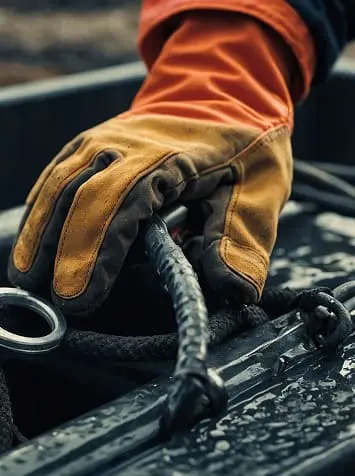
The cost associated with Prices for grease trap cleaning will depend on the size and level of complexity for the job at hand. Basic cleaning may range from 125 to 400 dollars for the standard sewer cleaning process. Larger units for a business may range from 475 to 1500 dollars. Other charges may depend on the size of the trap to be cleaned. Inaccessible pipes may also cost more to clean. Age at the time of cleaning may also have an impact. The following are some of the points to be considered when attempting size and capacity of the trap:
- accessibility of the installation
- condition
- time since last clean
- frequency of service
The other cost drivers are the nature of the business, regional landfill charges, the specificequipment needed for the process, and other services that may be required in some cases, for instance, hydro-jetting and any repairs identified during the cleaning process. The disposal at the authorized facilities is also necessary in the grease trap pumping cost service. We give you specific information about our service and our prices based on the factors outlined above to guarantee that our maintenance is reliable and in compliance with established standards. At grease trap pumping company A1 Septic, our goal is to give you a direct price so you can keep your business running with regular maintenance service performed on your system. Dial now to book a visit to ensure a trustworthy grease trap maintenance service to keep your kitchen in optimal working conditions.

For fastest response, please call us
Septic Service
Backhoe Service
Why Choose AAA Backhoe & A-1 Septic
Get a Free On-Site Project Assessment
Find Your Solution



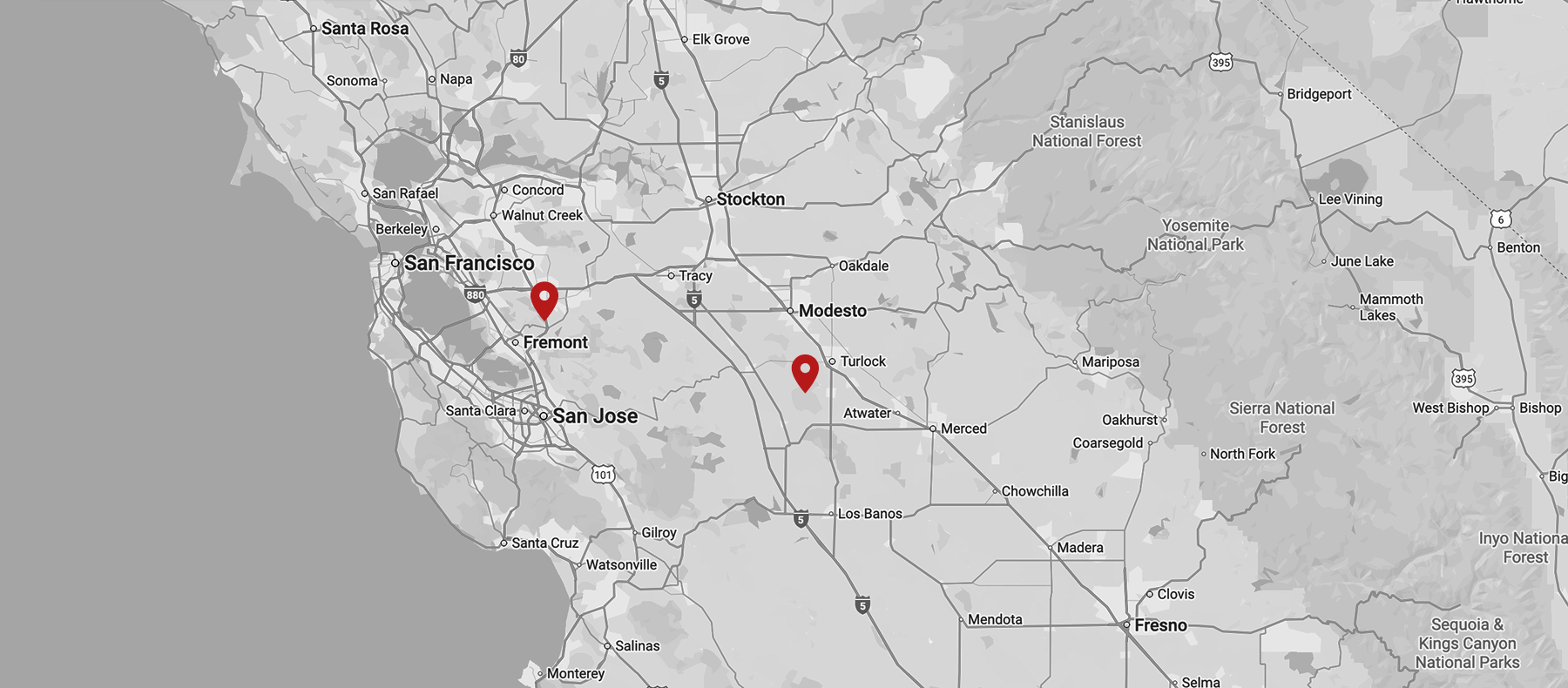
We Serve All of Stanislaus, San Joaquin & Merced County Including But Not Limited To: