209-577-1479
 Our subsidiary company
35 years strong of leadership in Stanislaus & San Joaquin Counties
Septic tank riser installation


Our services
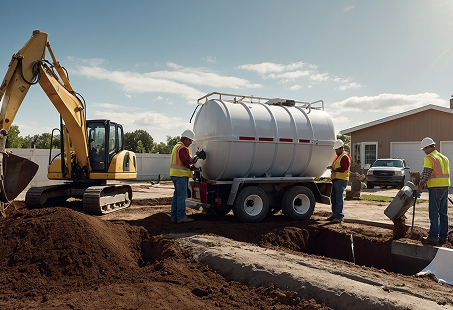
Septic Tank Installation
Guaranteed Code Compliance. We handle all design, installation, and permitting from start to finish. Your new system is fully warranted and built to last.
explore service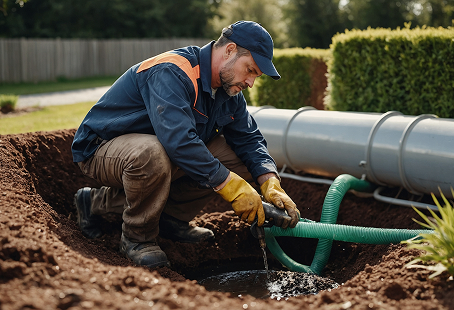
Septic Tank Repair
Fast Fix, Lasting Results. Quick diagnosis and expert repair of your drain fields and components. We restore your system's function to prevent expensive failures.
explore service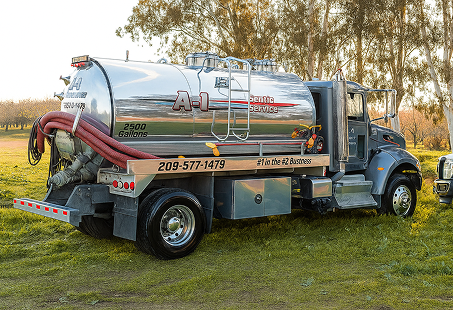
Septic Tank Pumping
Protect Your System & Property. Essential routine and emergency pumping to prevent backups and odors. Extend the life of your septic tank effortlessly.
explore service
Grading & Excavating
Flawless Site Foundation. Professional clearing and leveling for construction. We ensure stability and perfect drainage before your build begins.
explore service
Underground Utility Trenching
Safe, Precise Utility Hookup. Accurate trenching for all lines (sewer, water, gas, electric). Reliable, code-compliant connection
explore serviceProfessional Septic Tank Riser Installation
Septic tank risers are vertical extensions from the access port of a septic tank to ground level. This innovative solution eliminates the need for repeated excavation every time your system requires inspection or maintenance as part of regular septic system maintenance. For homeowners and commercial properties within our service region, A1 Septic professionally installs septic tank riser installation to address common issues such as deeply buried tank lids, challenging access for maintenance, and possible damage to landscapes during service calls.
A professional installation involves several crucial steps to ensure that your septic system is long-lasting and compliant with regulations. This includes detailed site assessment to locate the existing tank and its access points, accurate measurement of the access port and burial depth, and then material selection. Common riser materials include high-density polyethylene (HDPE), PVC, fiberglass, and concrete. HDPE and PVC, often installed as a plastic septic riser, because of their light weight, resistance to corrosion, and ease of installation, are very popular in residential applications. Concrete options, called concrete septic riser, are also available for added durability. These risers usually come in diameters ranging from 12 to 24 inches, though some options go up to 30 inches, and can be stacked to achieve the required height-from just a few inches to several feet-above the top of the tank. Our comprehensive service will ensure proper sizing, material compatibility, and a watertight, gas-tight seal in conformance with local health department regulations and securing any required permits. Professional practice reduces the possibility of system failure and ensures the smooth working of your septic system for years to come.
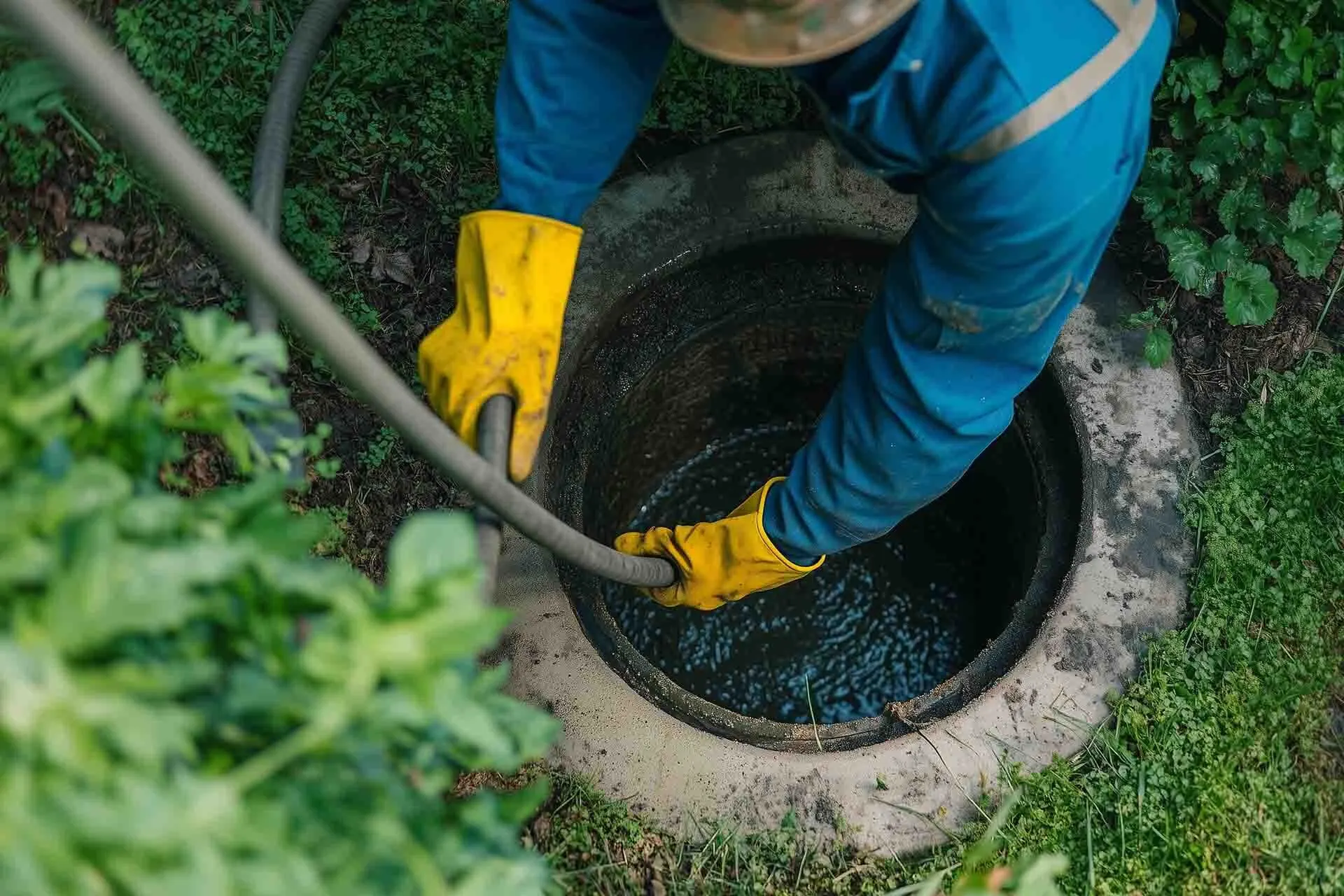
Advantages of Fitting a Riser on a Septic Tank
Indeed, a septic tank access riser provides a number of practical benefits to property owners and maintenance professionals alike. The first is unparalleled accessibility, in terms of routine inspections, residential septic tank pumping, and general maintenance. It means that buried tank lids no longer have to be located and dug up, thus saving thousands of dollars literally on digging and other professional fees over time. For instance, homeowners can save hundreds over the life of their septic system by avoiding the digging fees usually incurred with pump-outs, recommended every three to five years.
Besides saving money, the risers protect your lawn and landscaping to preserve the attractiveness of your property. A properly sealed riser and lid serve as a very important barrier to block the entry of surface water, soil, and debris into your septic tank; intrusion by these materials can easily disrupt the sensitive biological processes inside the tank and might even result in costly repairs and premature system failure. Moreover, watertight and airtight risers are important in keeping bad odors and gases inside, hence helping to keep the environment around your home or business much healthier and pleasant.
By making maintenance less disruptive and more accessible, risers encourage homeowners to stay on routine service schedules, one of the most critical factors in prolonging the overall life and efficiency of a septic system. Another advantage is increased safety: risers eliminate the possibility of falling into the tank and offer safe access points, especially when fitted with locking lids-an important factor in yards used by children or pets.
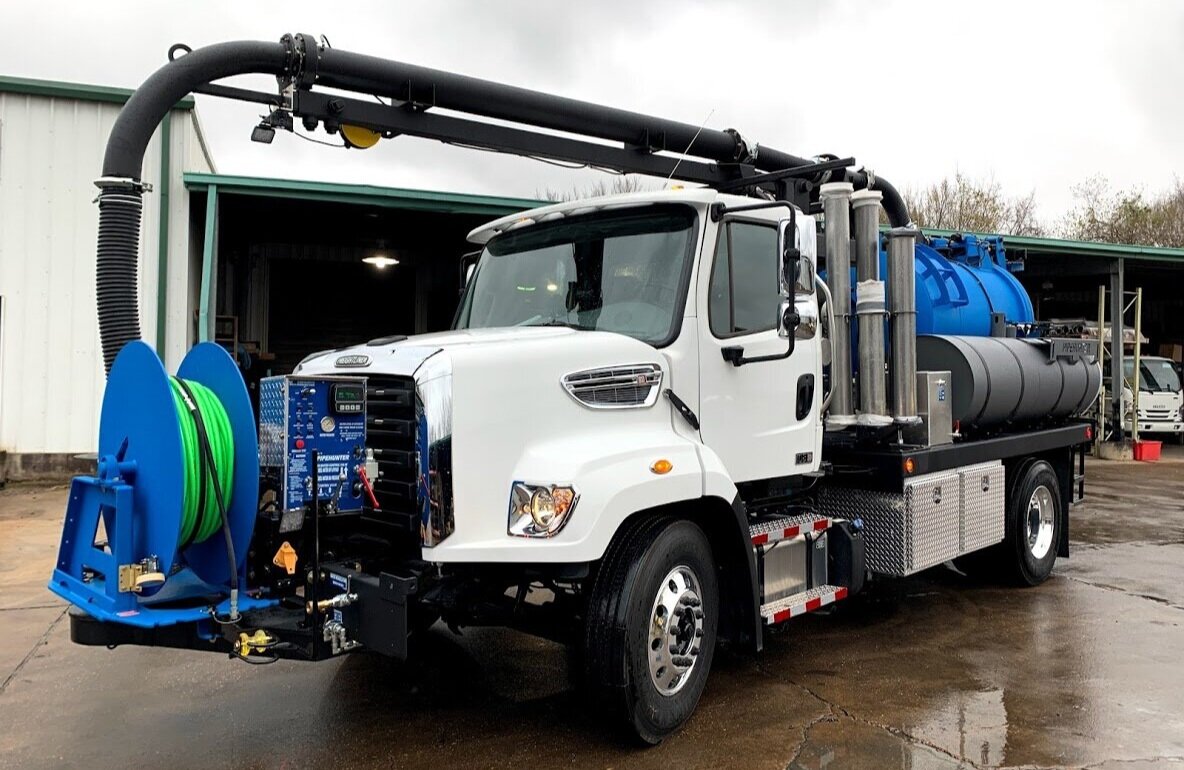
How Septic Tank Riser Installation Works
As many of the steps require careful detail to ensure that the riser installation is securely and watertight attached, installing a septic tank riser installation is truly a meticulous process. A methodical approach like this will guarantee the longevity and effectiveness of the riser system.
Locate and Excavate the Tank Opening: The first step is to locate the exact location of the septic tank lid. This is usually done with a tank map, probe rod, or professional equipment. After the lid is located, the area around the access port is carefully dug out to expose the opening fully and a large enough work area, usually a 32– by 32–inch hole.
Measure and prepare the opening: This involves accurately measuring the diameter of the access port of the tank so the right size of the riser may be selected. The chosen riser should be a little bigger than the opening to fit securely and correctly in place. Further, it cleans the opening in the tank, where dirt, debris, or loose concrete are removed to prepare a clean, stable surface to seal.
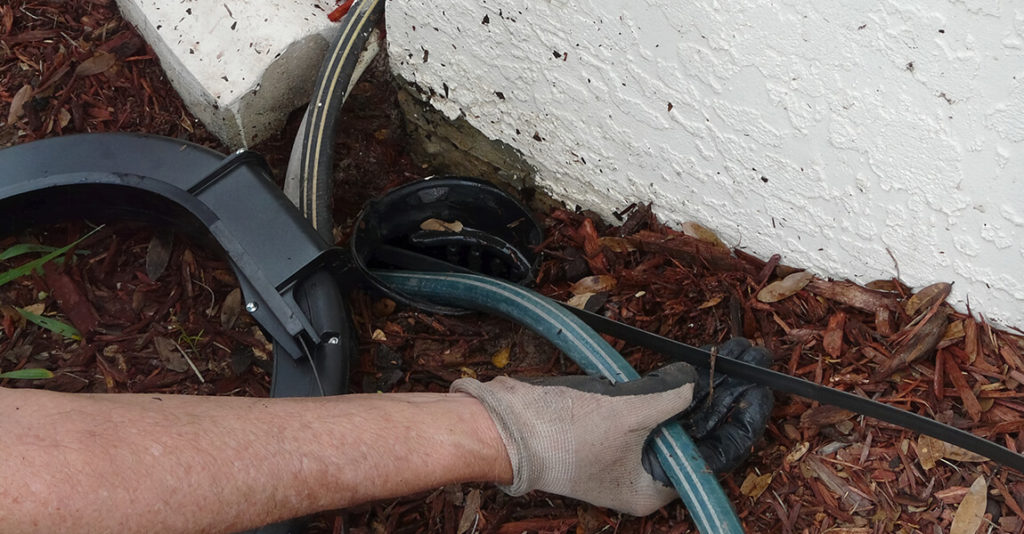
Install the Adapter Ring-if required. Many existing tanks, especially older ones or with oddly configured openings, require an adapter ring. This device acts as a bridge between the tank opening and the riser. The adapter ring is centered over the opening of the tank.
Apply Sealant – A generous bead of butyl rope sealant or an approved concrete adhesive/sealant is applied around the perimeter of the tank opening or the bottom of the adapter ring. This forms a vital water and gas-tight seal and prevents infiltration or exfiltration. Some riser kits come with sealant tape for this purpose.
Install the Adapter Ring/Riser Base - Next, the adapter ring or base of the first riser section is carefully set in place over the sealed tank opening. It must be secured with appropriate hardware to hold it perfectly level, such as concrete anchors, stainless steel screws, or epoxy.
Stack Riser Sections: When it is necessary to bring the access point to grade, multiple riser sections are stacked on top of one another. Sealant is applied between each riser section, and then they are screwed together per the manufacturer's specific instructions. The goal is to bring the top of the riser flush or just above-grade to prevent surface water intrusion, for example, 1–2 inches.
Securing Lid – The lid of the riser is placed on top of the final riser section and fastened with stainless steel screws or bolts to prevent unauthorized access and ensure it remains tight in security.
Backfilling - Lastly, the area around the riser, which has been dug out, is carefully backfilled with soil. The soil is lightly compacted to secure the riser in place without putting too much pressure on the walls of the riser. During this entire operation, proper personal protective equipment is worn, and all local regulations regarding the operation are referred to and followed. A final inspection completes the installation.
Reviews
 5/5
based on 106 reviews
5/5
based on 106 reviews





I am very satisfied with their work and would gladly use them again.


When Do You Need a Septic Tank Riser?
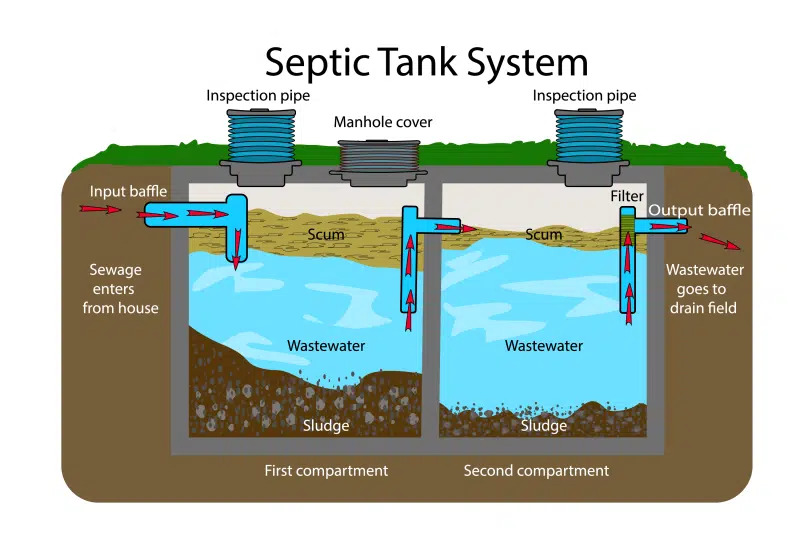
Normally, decisions to install septic tank risers are based on practical necessity, regulatory requirement, or as part of the installation of a new system. Knowing these sets of circumstances will provide a homeowner with an educated idea of when this upgrade will be called for on their property.
Deeply Buried Access Points: This is the most common reason for installing risers. When an access lid of a septic tank is deeply buried (commonly more than 6–12 inches) underground, finding and digging it out for regular maintenance-developing activities such as pumping and inspection-becomes a very laborious and expensive task. A riser solves this problem by bringing the access point to grade.
New Septic System Installation: Most modern septic systems now include risers in their design and installation process. This forward-thinking approach recognizes the long-term advantages in accessibility and ease of maintenance right from the start.
Routine Maintenance and Pumping: More often, homeowners elect to install a riser in conjunction with a routine pumping or inspection of the septic tank. As the tank is already uncovered for these operations, it provides a very good opportunity to include a septic riser installation service and thereby saves labor costs and future disturbance.
Difficulty Locating the Tank: Where property owners or service technicians consistently have difficulty locating the septic tank lid, a septic tank access riser provides a permanent, visible access point that eliminates future guesswork and frustration.
Compliance with regulations at the local level: Some states or municipalities have adopted specific codes that demand septic tank risers be installed to facilitate easy access, especially for all those systems that were installed or upgraded after certain dates. Installing a riser in this regard keeps you within the ambit of these local standards.
Frequent Septic System Issues – If a septic system has recurring problems requiring access to an internal area of the system for diagnosis and repair, a riser can greatly facilitate troubleshooting and repair processes as part of ongoing septic system maintenance.
Upgrading of Older Systems: The older concrete tanks often have heavy, deeply buried concrete lids, which may degrade over a period of time. These are changed by a modern, light plastic septic riser and lid, offering improvements both in safety and access.
Property Transactions: A septic system inspection during property transactions might recommend or even require the installation of risers to be performed so that future maintenance is easy for the new homeowners.
Failure to install a riser when needed can result in delayed maintenance, escalating costs due to repeated excavation, damage to landscaping, and ultimately, potential system failures caused by neglected issues.
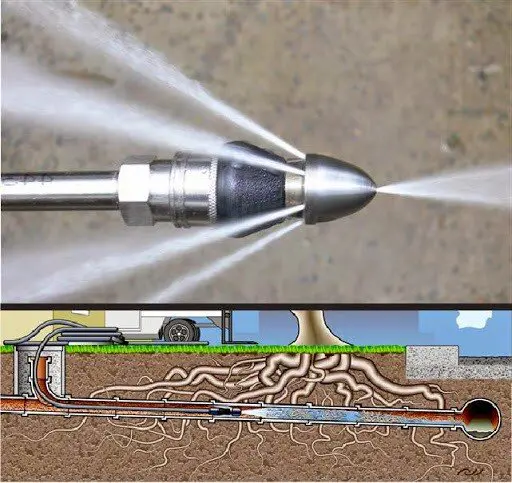
Septic Tank Riser Installation Price
The cost for installing a septic tank riser installation will vary, depending on several major variables. Among them are the type and number of risers, the depth at which the tank is buried, the material type and cost, the labor costs in the region, and the geographical location of the property.
Average Cost of Professional Installation: Installing a septic riser installation service professionally, for which both parts and labor are normally included, usually costs homeowners in the average range of $300 to $500. Some industry estimates are as high as a range of $300 to $600, reflecting regional differences and specific service complexities.
DIY Parts Cost: If a property owner decides to do an installation himself, he will have to pay between $70 and $200 for the parts alone. For example, a small kit with a 20x6–inch riser, lid, and adapter ring would cost about $80, while a larger 20x12–inch kit that includes an extra safety lid would cost about $120.
Material Type: The type of material used for the riser itself affects the cost greatly. Plastic septic riser, such as those made from HDPE or PVC, tend to be cheaper to provide and install than concrete septic riser. Although the latter is durable, they are heavier and much more expensive due to the cost of the material as well as the labor needed to move and place them.
Depth of Burial: The deeper the burial of the septic tank underground, the more the number of riser sections is required to bring the access point to ground level. This, in turn, increases the material cost directly. Similarly, deeper excavations may also increase the labor cost due to the rise in effort and time taken for the activity.
Number of Risers – Larger septic tanks or those designed to have multiple compartments may require more than one riser, which will obviously add to the overall cost of the project.
Labor Rates – The labor costs themselves can be another large chunk of the total cost, especially if the installation requires heavy excavation, special tools, or specialized work like cutting into older concrete tanks. Other Costs-There are also other costs that a homeowner may have to incur. This might be fees for permits required by the local authorities where one resides, added materials needed to seal your tank opening, such as butyl rope or concrete adhesive, or even repairs one may need to make to their existing tank opening. Despite the upfront cost, installing risers is widely regarded as a long-term cost-effective investment. They greatly reduce future residential septic tank pumping costs since digging is not required at any point in routine pumping and inspections, potentially cutting as much as half off of future service costs. Many times, these long-term savings outweigh the initial installation cost over the entire life of the septic system and prove to be a wise financial move.
Septic tank riser replacement & Upgrades During the functional life of a septic system, existing septic tank risers and their lids may have to be replaced or upgraded for various reasons to preserve the integrity and accessibility of the system. Reasons for Replacement – Common scenarios that require replacement can include a riser section that has cracked or sustained damage, lids that have deteriorated or broken, or general degradation of material, such as crumbling concrete or plastic septic riser suffering UV damage. Furthermore, an existing riser may no longer comply with current local building codes or safety standards. Observable signs indicating a need for replacement include visible cracks, persistent leaks around the base of the riser, or the emanation of septic odors from the area. Replacement Process: The replacement process generally involves carefully digging around the old riser to expose its attachment to the septic tank. The old, deteriorated riser and lid are then carefully removed. After removal, the opening in the tank is cleaned, and any underlying damage or wear is checked for. A new adapter ring, if required for a proper fit, and the new sections of riser are then installed. This installation is based on the same basic principles as a new installation, including the important application of appropriate sealing with butyl rope or an approved sealant, and screwing the pieces together or anchoring them to create a watertight and gas-tight connection. Upgrade Options: There are several upgrade options available when upgrading existing septic tank risers to improve functionality and safety. One invariable upgrade would be replacing the older, heavier concrete septic riser with modern lightweight corrosion-resistant plastic septic riser systems made from HDPE or PVC, which are easier to lift and install. The installation of more secure lids, like lockable ones, is another common upgrade option. These are important safety features that prevent unauthorized access and are very valuable if there are children or pets around the house. Extending existing risers to bring the access point nearer or slightly above ground level is a good upgrade, especially if the original installation left the lid too deep, making future maintenance a nuisance. Advanced upgrades may involve incorporating safety screens beneath the lid, capable of bearing considerable weight and preventing falls, but allowing complete access for pumping and inspection. During these replacement and upgrade processes, sealing properly is important. This critical step prevents leaks, controls odors, and guards against environmental contamination, thus maintaining the necessary integrity and optimum efficiency of the septic system.

For fastest response, please call us
Septic Service
Backhoe Service
Why Choose AAA Backhoe & A-1 Septic
Get a Free On-Site Project Assessment
Find Your Solution



We Serve All of Stanislaus, San Joaquin & Merced County Including But Not Limited To: